
Child-Centered
Play Therapy for Children
“Play is the child's language and the toys are their words.”
- Garry Landreth

Why Play Therapy?
Play is a child’s natural language. Through play therapy, children process experiences, build coping skills, and strengthen emotional regulation.
Attachment-focused play therapy helps children:
Develop trust and safety in relationships
Practice healthy boundaries
Improve emotional expression
Build problem-solving skills
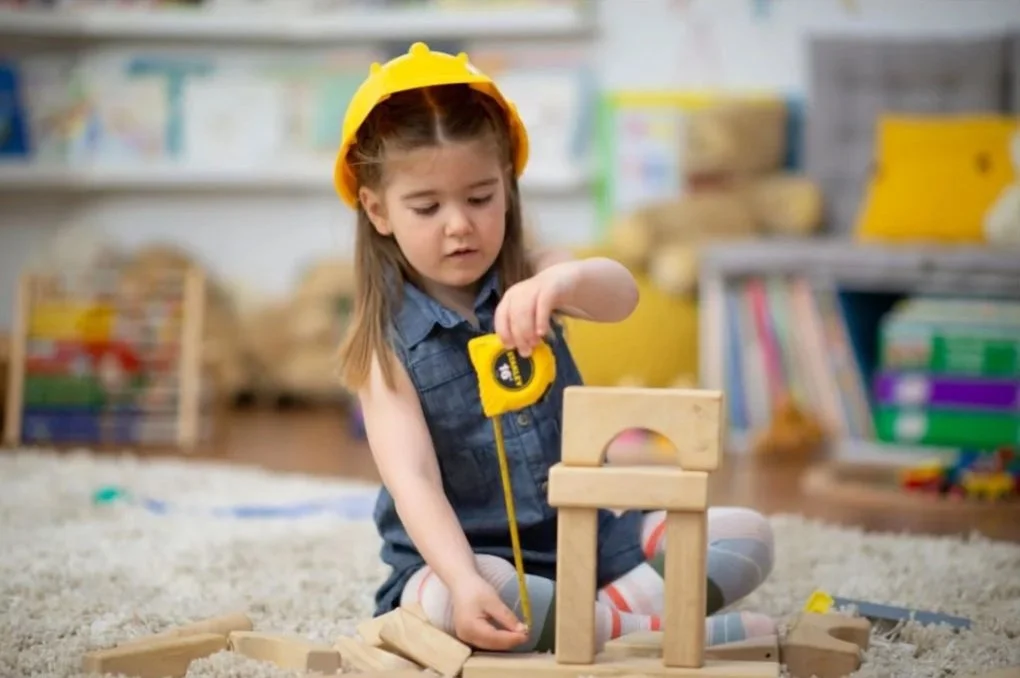
What is Play Therapy?
Play therapy provides children with a natural way to express themselves and process their thoughts, feelings, and experiences.
Child-Centered Play Therapy (CCPT), is an unstructured form of play therapy rooted in the belief that children have an inherent ability to heal when provided with a safe space to freely express themselves. The role of the therapist is to offer a safe, accepting, and understanding environment while providing developmentally appropriate insights and observations, allowing the child to lead the session based on their own interests and needs.
Contact Us!
Frequently Asked Questions About Child Centered Play Therapy
-
Yes and no... children process their world through play. Which means that when children are working, they’re working through play.
The toys, books, and games are tools selected for a Play Therapy room with intentionality. These tools help children process and express what’s happening for them.
-
Play Therapy differs from regular play because it is an intentional, therapeutic process guided by a trained professional.
Regular play is spontaneous, imaginative, and primarily for enjoyment; Play Therapy uses specific techniques (including reflection and structuring) to address emotional, behavioral, social, or developmental concerns.
In Play Therapy, children use toys, art, and storytelling as symbolic tools to communicate things they may not be able to express with words.
The therapist observes patterns in the child’s play, provides a safe and accepting space, and helps facilitate emotional growth.
In free, spontaneous play there is no therapeutic goal. In Play Therapy, there is an intentional process that works to foster self-awareness, problem-solving, and emotional regulation in a child-centered, non-directive way.
-
Your child may find therapy fun, but there may be times that therapy is not fun and may challenge your child.
Setting the expectation to “have fun” in therapy unintentionally undermines the purpose of Play Therapy.
Play Therapy is a space where children are free to explore all of their emotions; including enjoyable and difficult ones, without external pressure to engage in therapy in any specific way.
Children might use play to process things like grief, trauma, anxiety, or anger. So, setting up the experience as something that should be fun might make them feel like they are "doing it wrong" if their experience isn’t always fun.
Instead, it is more helpful to let your child know that therapy is their time and they are allowed to play however they need to. Doing this helps reinforce the idea that therapy is a safe space for self-expression without there being any expectations.
-
It depends. Parents play a vital role in the therapeutic process; and parents can expect to be in regular communication with the therapist.
Depending on what that child is working on, the therapist might suggest parent-child activities in the therapy room or invite the parent to observe a session here and there.
It is important to discuss your concerns and questions with the therapist to determine the best course of action; which may change throughout the therapeutic process.
-
Progress in Play Therapy is often noted by observing changes in your child's emotions, behaviors, and coping skills.
Progress in therapy is gradual and signs of improvement may include; improved emotional regulation, reduced number of tantrums/outbursts, increased confidence/self esteem, improved social interactions, and being able to communicate their thoughts and feelings more clearly.
Other indicators might look like a decrease in anxiety or behavioral issues, increased problem-solving skills, and an increased tolerance for handling frustration or disappointment.
-
Virginia Axline was a pioneer in child-centered play therapy and her 8 principles are the heart of this counseling approach.
Axline's 8 principles:
The therapist develops a warm, friendly relationship with the child, in which good rapport is established as soon as possible.
The therapist accepts the child exactly as they are.
The therapist establishes a feeling of permissiveness in the relationship so that the child feels free to express any feeling fully.
The therapist is alert to recognize the feelings the child is expressing and reflects those feelings back in a manner that leads to self-understanding.
The therapist maintains a deep respect for the child's ability to solve their own problems if given the opportunity. The responsibility to make choices and to institute change is the child's.
The therapist does not attempt to direct the child's actions or conversation in any manner. The child leads the way and the therapist follows.
The therapist does not attempt to hurry the therapy along. It is a gradual process and is recognized as such by the therapist.
The therapist establishes only those limitations that are necessary to anchor the therapy to the world of reality and to make the child aware of their responsibility in the relationship.
-
No. Therapists providing play therapy are not custody evaluators and cannot make recommendations regarding custody, visitation, or parental rights. Those decisions are outside the scope of practice for a therapist. The therapeutic role is to support the child emotionally and developmentally.
Meet Our Therapists for Children
-
![]()
Alisa Orozco
Licensed Marriage & Family Therapist
sees children & teens starting at age 3
I enjoy working with children and teens using a compassion focused approach grounded in attachment theory. Through Play Therapy, Expressive Arts, Internal Family Systems, EMDR, and somatic therapies, I strive to help clients make sense of the world around them and deepen their relationship with themselves and others.
I am passionate about Child and Adolescent Development and supporting children and families in healing traumas and strengthening bonds through evidenced-based attachment approaches. -
![smiling woman with dark hair and a blue top]()
Talia Main
Associate Marriage & Family Therapist
sees children & teens starting at age 12
I use a client-centered foundation to provide a nonjudgmental space for you to explore the areas of your life that you feel comfortable with. I believe that you hold the answers within yourself to better understand “what’s missing,” and that you have the capacity to develop your own sense of inner wisdom.
I integrate elements of cognitive-behavioral therapy, acceptance and commitment therapy, and mindfulness into my work. I also value the interconnection between the mind and the body, and our work together may help you increase your ability to listen to what your body is trying to tell you.


Schedule an Appointment
For questions or to schedule directly with our Practice Manager, Corinne, please select “Contact Us” below.
To schedule through our online booking program, click on “Request an Appointment” below to choose a Mindful Heart therapist and begin your therapy journey.
1411 Marsh St Ste 108,
San Luis Obispo, CA 93401