
Internal Family Systems (IFS)
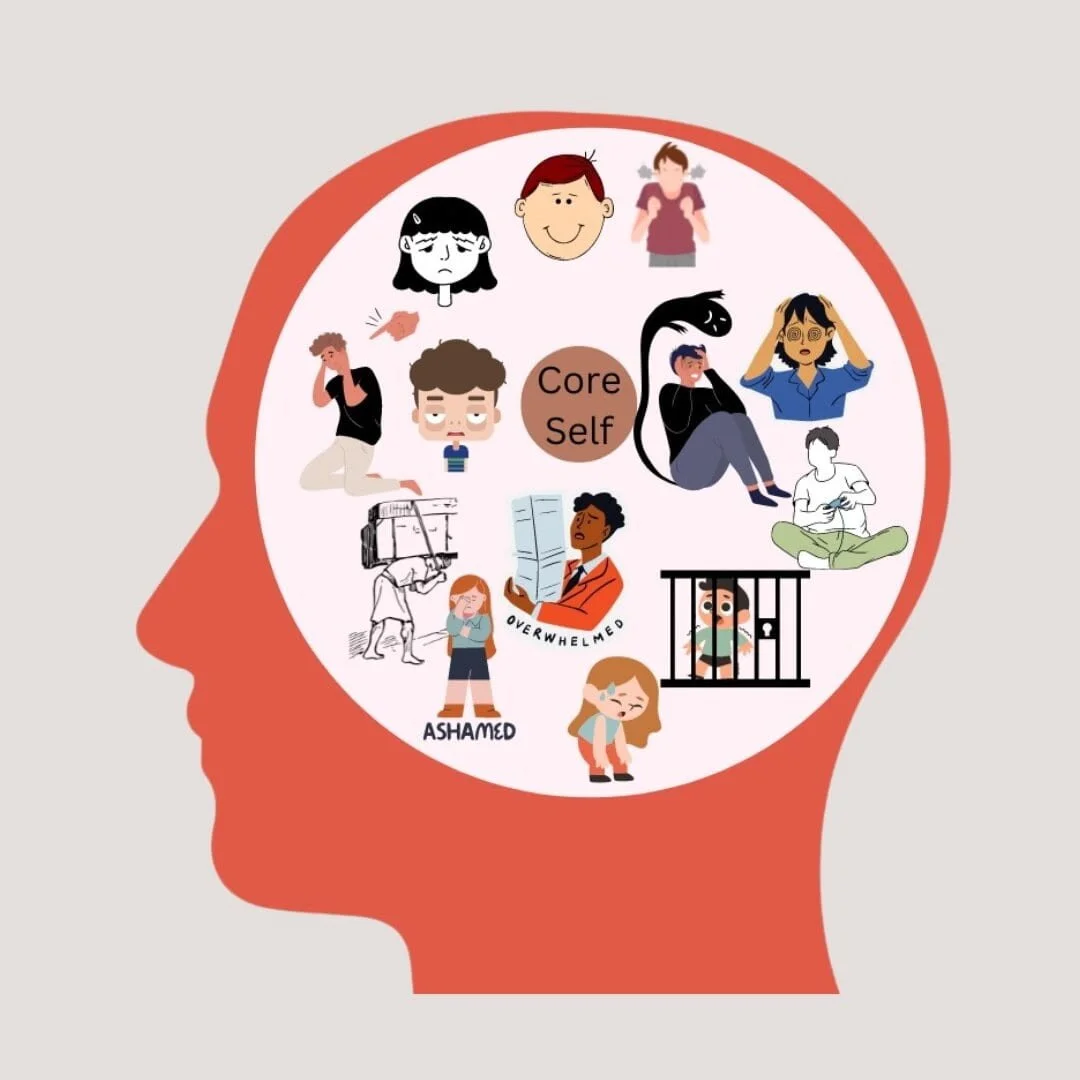
Internal Family Systems (IFS) is a therapeutic model that views the mind as made up of different “parts,” each with its own feelings, beliefs, and roles. Instead of seeing inner conflict as a flaw, IFS understands it as a natural internal system trying to protect you.
IFS was developed in the 1980s by Richard C. Schwartz, who observed that clients naturally described their inner experiences as distinct parts (e.g., “a part of me feels anxious” or “a part of me is angry”).
Core Concepts of IFS
1. Parts
IFS proposes that everyone has multiple internal parts, generally grouped into three categories:
Managers – Proactive parts that try to keep life controlled and prevent pain (e.g., perfectionism, people-pleasing).
Firefighters – Reactive parts that step in when emotions feel overwhelming (e.g., impulsivity, numbing, overeating, substance use).
Exiles – Vulnerable parts that carry wounds, shame, fear, or trauma.
2. The Self
At the center of IFS is the Self—the calm, compassionate, confident core of a person. The goal of therapy is to help individuals access this Self-energy so they can lead and heal their parts.
The Self is characterized by qualities often called the “8 Cs”:
Calm
Curiosity
Compassion
Confidence
Courage
Clarity
Creativity
Connectedness
How IFS Works
Rather than fighting or suppressing difficult emotions, IFS encourages:
Identifying and naming parts
Building a compassionate relationship with them
Understanding their protective intentions
Helping wounded parts release past burdens
The therapist guides the client to approach parts with curiosity instead of judgment.
Benefits of IFS
1. Reduces Inner Conflict
Helps people understand why they feel “torn” between impulses and creates internal harmony.
2. Increases Self-Compassion
Encourages kindness toward difficult emotions rather than shame or self-criticism.
3. Supports Trauma Healing
Allows traumatic memories (held by exiles) to be processed safely, without overwhelming the individual.
4. Improves Emotional Regulation
By understanding protective parts, people gain more control over reactive behaviors.
5. Strengthens Relationships
When individuals understand their own triggers and protective responses, communication and boundaries improve.
6. Decreases Anxiety and Depression
Many symptoms are reframed as protective strategies, reducing self-blame and increasing healing capacity.
7. Promotes Personal Growth
Accessing the Self often leads to greater clarity, confidence, and resilience.

Schedule an Appointment
For questions or to schedule directly with our Practice Manager, Corinne, please select “Contact Us” below.
To schedule through our online booking program, click on “Request an Appointment” below to choose a Mindful Heart therapist and begin your therapy journey.