
Children & Teens
Our approach to working with children & teens is relationship-centered and developmentally informed.
We provide a non-judgmental environment where children & teens can speak openly, explore identity, ask questions, build trust, and feel heard and respected.
Child- Centered
Play Therapy for Children
“Play is the child's language and the toys are their words.”
- Garry Landreth
Why Play Therapy?
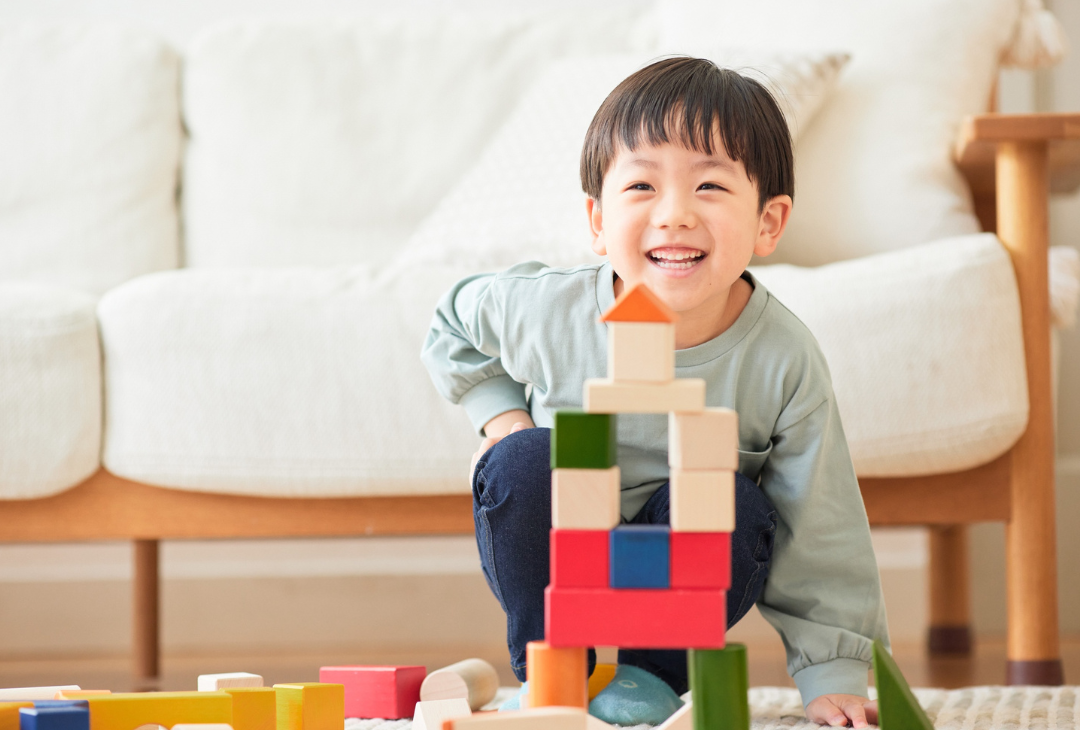
Play is a child’s natural language. Through play therapy, children process experiences, build coping skills, and strengthen emotional regulation.
Attachment-focused play therapy helps children:
Develop trust and safety in relationships
Practice healthy boundaries
Improve emotional expression
Build problem-solving skills
Repair relational ruptures
What is Play Therapy?
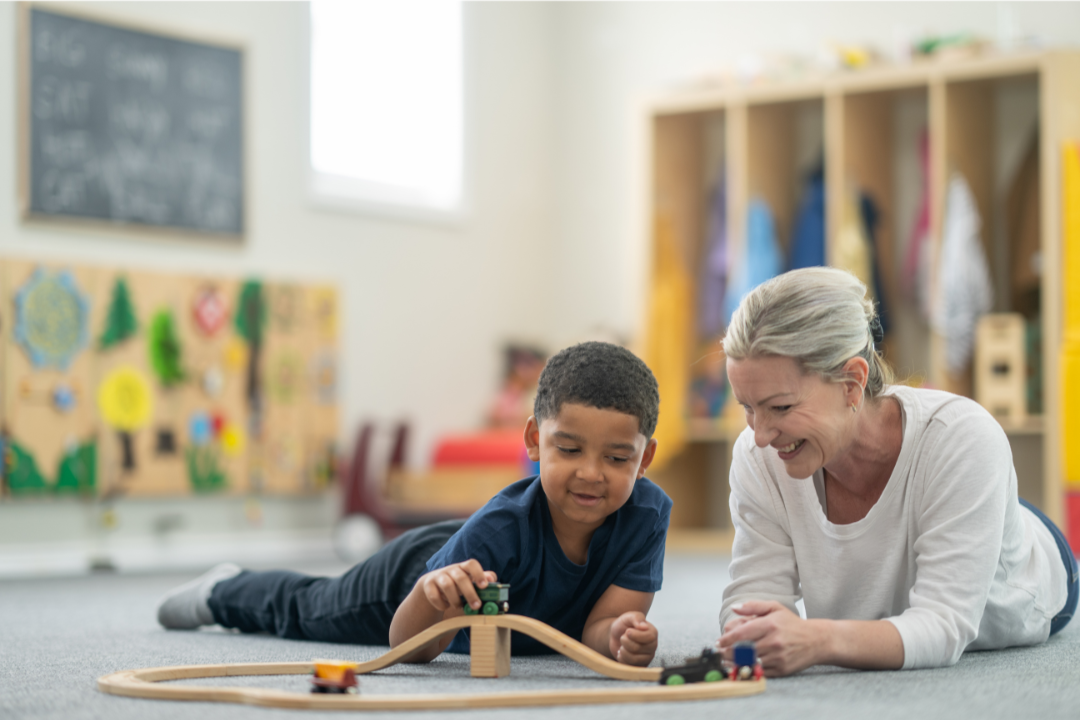
Play therapy provides children with a natural way to express themselves and process their thoughts, feelings, and experiences.
Child-Centered Play Therapy (CCPT), is an unstructured form of play therapy rooted in the belief that children have an inherent ability to heal when provided with a safe space to freely express themselves. The role of the therapist is to offer a safe, accepting, and understanding environment while providing developmentally appropriate insights and observations, allowing the child to lead the session based on their own interests and needs.
Therapy for Teens
“When teenagers understand what they are feeling and why, they suddenly have choices that were not available to them before.”
— Lisa Damour
Our therapy approach blends Attachment-Based therapy and Expressive Arts therapy to help teens feel understood, supported, and empowered.
Adolescence is a time of growth, identity exploration, and emotional intensity. For many teens, it can also bring anxiety, depression, relationship struggles, school stress, or feelings of disconnection.
Why Attachment Matters in the Teen Years
Attachment refers to the emotional bonds we form with caregivers and important people in our lives. These early relationship experiences influence how teens:
Regulate emotions
Handle stress
Build friendships and romantic relationships
Trust others
See themselves
Attachment-based therapy focuses on strengthening secure connections and repairing relationship patterns that may contribute to emotional or behavioral challenges. When teens feel safe and supported, healing becomes possible.

What Is Attachment-Based Therapy?
Attachment-based therapy is a relational, evidence-informed approach grounded in attachment theory. With teens, this often includes:
Building a strong, trusting therapeutic relationship
Exploring patterns in family and peer relationships
Improving communication skills
Repairing ruptures between teens and caregivers
Strengthening emotional safety at home
In some cases, parents or caregivers are invited into sessions to support connection and understanding.

What Is Expressive Arts Therapy?
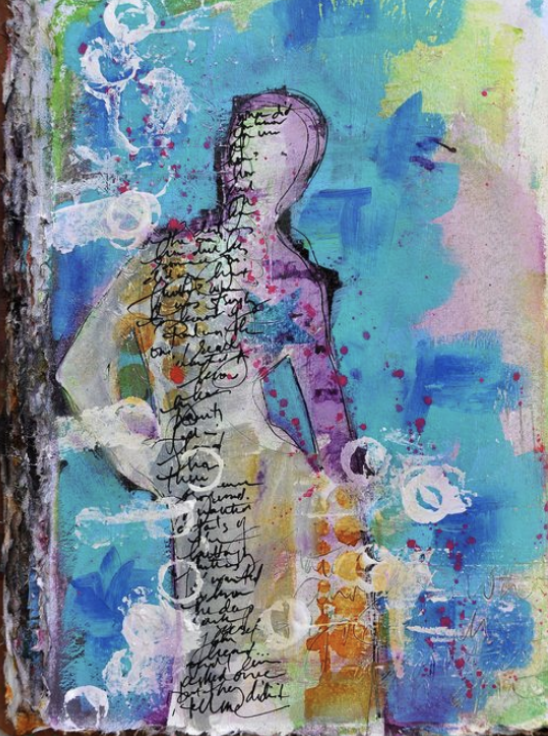
Not all teens feel comfortable talking about their feelings directly. Expressive arts therapy provides creative pathways for self-expression using:
🎨 Art and drawing
🎭 Role play and drama
🎵 Music and sound
✍️ Creative writing and journaling
🧘 Movement and body awareness
& more
Creative expression can help teens access emotions, process experiences, and build self-awareness in ways that feel natural and engaging.
There is no pressure to be “good” at art. The focus is on expression, process, and meaning — not performance.
Getting Started
If you believe your teen may benefit from attachment-based and expressive arts therapy, we invite you to reach out. Early support can make a lasting difference in emotional well-being and family relationships.